
As an artist, your website is often your first impression. It’s the place where potential clients, collaborators, and even the press will go to learn more about you and your work. But what happens when a journalist, blogger, or gallery wants to write about you? How do they get the information they need quickly and efficiently?
That’s where a press kit comes in. A press kit is a collection of materials designed to make it easy for the media and others to understand your work and write about it. It serves as a professional introduction, providing a snapshot of who you are as an artist, what you do, and why you’re worth paying attention to.
In this blog, I’ll walk you through the steps of creating a press kit for your art website—one that is easy to navigate, visually appealing, and packed with all the necessary information journalists and others may need.
1. Start with a Strong Artist Bio
Your bio is the cornerstone of your press kit. It’s your opportunity to introduce yourself and share the story of your artistic journey. Keep it concise, but also make sure it highlights your unique qualities and achievements. Include:
- Your background: How did you get started in art? What drives you? What are your major influences?
- Your medium/style: Briefly explain what materials or techniques you use, and what your work explores.
- Exhibitions and awards: If you’ve had exhibitions, awards, or recognition, make sure to mention them. Include notable galleries, museums, or collections that have shown your work.
- Contact details: Let people know how to get in touch with you.
Be sure to write your bio in the third person—this is how journalists and bloggers will refer to you. Keep it professional but infuse it with a bit of personality, so people can connect with you as an artist.
2. Include High-Quality Images of Your Work
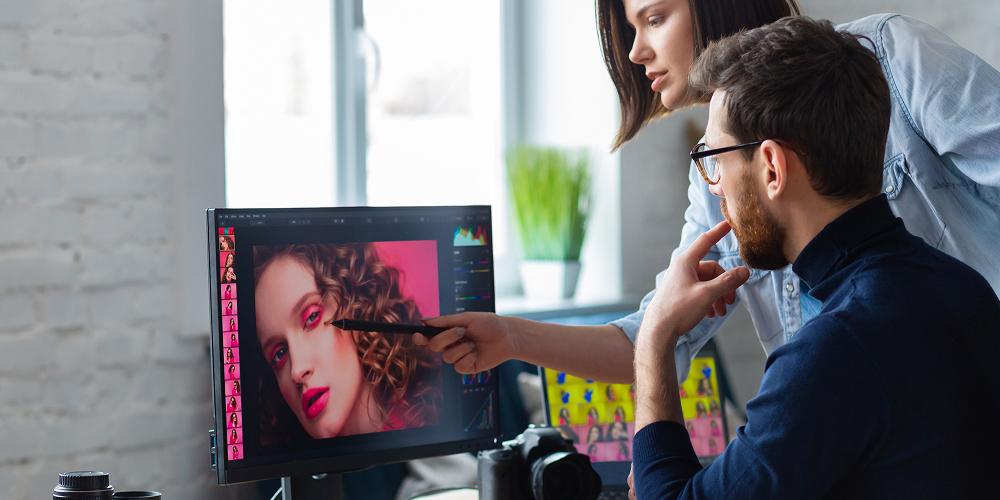
One of the main reasons someone will visit your press kit is to see your artwork. To make sure they can represent your work accurately, provide high-resolution images that showcase your art in its best light. Here’s how to do that:
- Choose your best pieces: Include a selection of your most compelling work—pieces that best represent your style and artistic voice.
- Provide a variety: If possible, include a range of pieces to show diversity in your work—this could be different series, mediums, or styles.
- High-resolution files: Journalists will likely need large files for printing purposes. Aim for at least 300 dpi (dots per inch) for print quality.
- Captions and context: For each image, provide a brief caption. Include the title, year, dimensions, and medium used. This adds valuable context for those viewing your work.
If you can, offer images in different formats (JPG, PNG, TIFF) to accommodate different media needs.
3. Add a Press Release (Optional)
A press release isn’t always necessary, but if you have a specific announcement—such as a new exhibition, collaboration, or project—this can be a great addition to your press kit. A well-crafted press release will help journalists quickly get the details they need to cover your news.
- Keep it newsworthy: Your press release should focus on a major milestone or piece of news, such as a solo show or a new collection.
- Be concise: Stick to the essentials—what, where, when, and why. Avoid long paragraphs and get straight to the point.
- Quote yourself: If possible, include a quote from you explaining the significance of the event or your work.
Make sure your press release is formatted like a professional document, and don’t forget to include your contact information at the bottom.
4. Create an Artist Statement
An artist statement is a short document that explains your artistic practice. It’s your chance to give deeper insight into what motivates you as an artist, what themes you explore, and how you approach your craft.
- Be honest: Don’t overcomplicate your statement. Keep it clear, authentic, and straightforward.
- Describe your process: Share a bit about how you work, what inspires you, and any conceptual or thematic ideas you explore.
- Keep it concise: Your artist statement should be about 1-2 paragraphs. Journalists don’t have time to read long, rambling texts, so be clear and to the point.
This will give journalists and others a deeper understanding of your work and help them write about it in a more meaningful way.
5. Include Testimonials and Press Coverage
If you’ve received positive reviews or media coverage, make sure to include those in your press kit. This could be in the form of:
- Quotes from critics or curators who have written about your work.
- Links to interviews or articles written about you.
- Videos or podcasts featuring you and your work.
- Testimonials from collectors or gallery owners (if applicable).
Including this kind of social proof can add credibility to your press kit and help people see that others already recognize the value of your work.
6. Provide Clear Contact Information
Make sure your press kit includes clear contact details, especially for media inquiries. Journalists need to know who to reach out to for interviews, image requests, or any additional information. Include:
- Your email address or the contact information of your PR representative.
- Social media links: If you have a professional presence on platforms like Instagram, Twitter, or LinkedIn, include those.
- Your gallery or studio information (if relevant), especially if they handle your PR or exhibitions.
The easier you make it for people to contact you, the more likely you’ll be to receive media coverage.
7. Design Your Press Kit to Reflect Your Brand
Since you’re an artist, your press kit is not just about the content—it’s also about the presentation. Your press kit should reflect your aesthetic and the tone of your work. This doesn’t mean it has to be overly designed, but it should be visually appealing and easy to navigate.
- Choose a clean layout that’s easy to read. Avoid clutter and distractions.
- Use your own imagery or branding elements (such as logos or color schemes) to make your press kit feel like an extension of your website or overall artistic identity.
- Make it downloadable: Ideally, your press kit should be in a PDF format so that it’s easy for others to download and share.
A cohesive design will help you stand out and ensure your press kit feels professional.
8. Make Your Press Kit Accessible
Lastly, make sure your press kit is easy to find on your website. You don’t want journalists or others to have to dig around looking for it. Create a dedicated page for your press kit, ideally with a clear link in your website’s navigation bar.
Additionally, you may want to create a press kit download page where people can easily access a PDF of all your materials. This makes it simple for anyone interested in your work to grab everything they need in one place.
Final Thoughts
A well-crafted press kit is an essential tool for any artist looking to gain exposure and media coverage. It’s not just a collection of documents—it’s your chance to present yourself and your work in the best possible light. By including your bio, artwork, artist statement, testimonials, and press coverage, you’re giving journalists and others everything they need to help tell your story.
Whether you’re looking to land a feature article, get an exhibition review, or simply have people talk about your work, a press kit can make the process smoother and more professional. And with a little effort, you can create a press kit that will help you build your brand and get your art seen by a wider audience.